
PAC Renovations: Admin Plans and Student Concerns
Easy Jack Portman ‘29 and Charlotte Shao ‘26
Photograph by Bay Ross ‘28
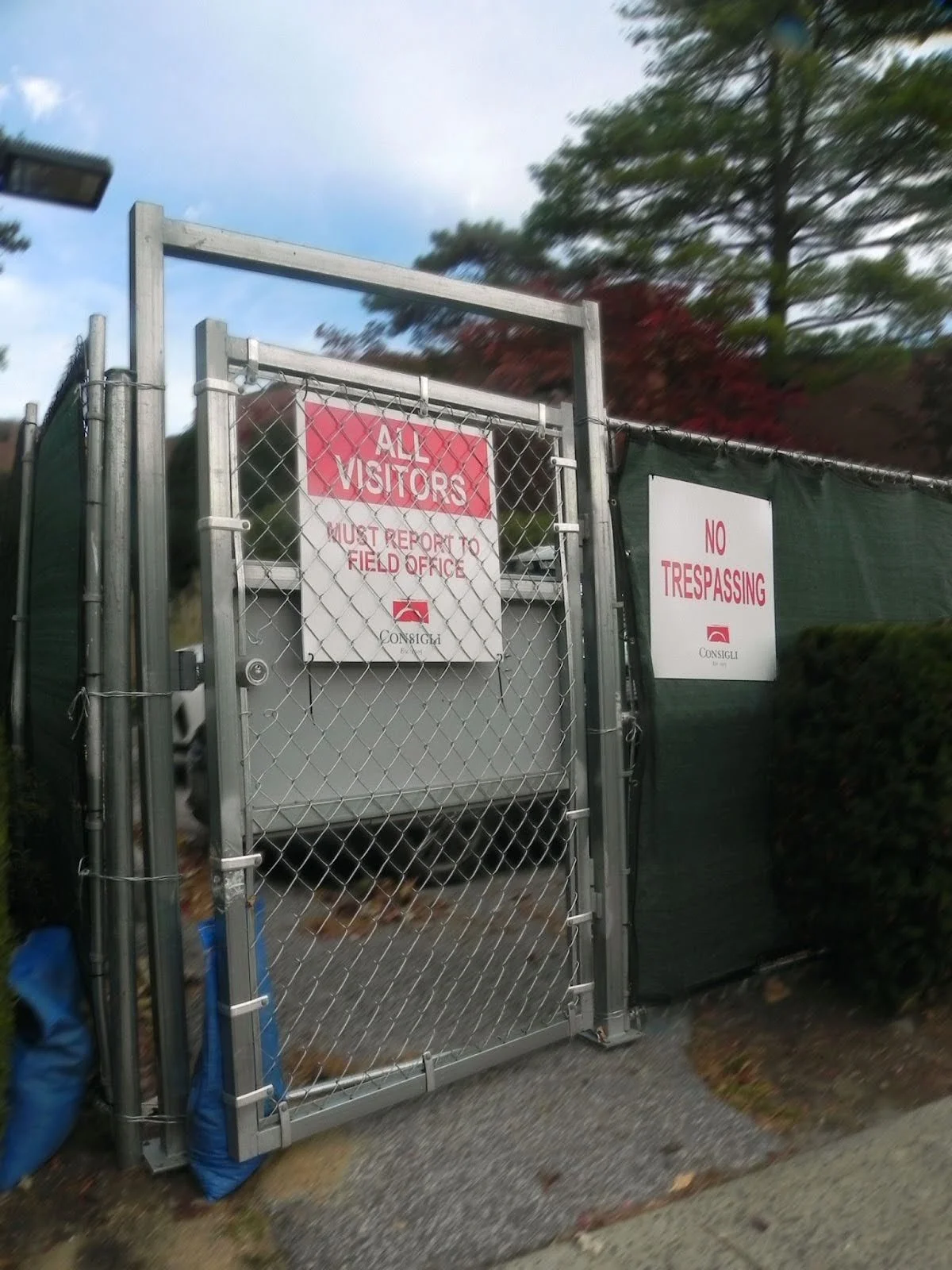
Since the start of the new 2025–2026 school year, one notable difference on campus has been the construction taking place in and around the Performing Arts Center, commonly referred to by theater students as the PAC.
In a conversation with the Dean of Studies Dave Stanfield and the Vice President of Finance and Operations Andrew Kane, Stanfield told the Phoenix that the ultimate goal of the renovation is to centralize what the college refers to as “experiential learning.” He explained that Sarah Lawrence has long offered multiple opportunities for students to take their learning off-campus, but has done so in a siloed way. Career Services, Community Partnerships, Global Education and SLCEmbeddEd are currently all separate offices scattered around campus, and the modifications to the PAC would place them all in a central location that will be more easily accessible to students. The newly vacated offices in Bates would be transformed into faculty offices and classrooms.
Kane explained that the renovated PAC would have space on the lower level for each of the offices, as well as spaces for students to do remote work for internships, including two booths and a conference room for students participating in meetings. Classrooms on the upper level of that wing of the PAC will also receive upgrades. PAC 3 in particular will be better able to handle an excess of 30 students for larger lecture classes, and be better equipped for classes to host guest speakers, especially over video call.
Students interested in knowing more about the intended design of the PAC can watch a video of the plans, including a flythrough of a mock-up, narrated by one of the project architects here. The page also includes more general information on the college’s plans for the space. Kane noted that construction on the project has been stalled as they seek permission from the city of Yonkers to go ahead with construction, but they hope to begin by the end of the fall 2025 semester. Construction would hopefully be done by fall 2026, with the spring graduating class being able to have an early look at the space, the way the ‘24 class was able to view the HUB.
Despite the seemingly positive intentions of such big changes, some theater students express concern or dissatisfaction with the disruptance of their routine, as well as a larger, more pressing presence of accessibility disturbances during this period of change.
Senior Amari Price-Cotten ‘26 states, “it was strange because the HUB had just been finished, and a lot of spaces in Bates still seem to be underutilized compared to how they were before the pandemic.”
She found little sensible reason for the changes, explaining that although it had not personally harmed her day to day life, “The big asbestos signs did startle me a bit, so I’m worried about the safety of the renovations for the sake of the employees. It’s also a bit inconvenient not being able to cut around the back of the PAC as a shortcut or even access any back door.”
Price-Cotten then referenced difficulty surrounding the Musical Theater Ensemble’s fall musical, Hello, Dolly!, which she produced, and which was performed in the Reisinger Concert Hall, a theater within the construction zone and therefore harder to access, expressing frustration around the changes to their access. Finally, Price-Cotten quipped that she hoped the new wing of the building would include student spaces whose decor was “less soul-sucking” once the renovations were complete.
Another theater student, sophomore Natalie Leonesio ‘28, expressed frustration and concern with the renovations from an empathetic perspective. Leonesio said, “I was not made aware of the PAC renovations. I knew about it when I saw the fences after I moved back onto campus. There was no warning given to performing arts students in regard to the construction being done on the PAC,” before going on to say, “The renovations haven’t necessarily negatively affected my life, it’s just an eyesore for me, but in terms of the lives of my friends with disabilities: I can’t imagine how inconvenient it is for mobility purposes.”
Leonesio also noted that the school has not provided any resources or aids to students who need help navigating the physical change to their environment, as well as not clarifying details of said changes to the students they affect.
Similarly, another student, junior Paige O’Connell ‘27, expressed frustration on issues of accessibility in relation to both getting to class as a theater student currently as well as with the plans for the space moving forward. Clarifying the frustration in navigating the changes while having issues with mobility, they said, “Behind PAC [where construction is taking place] are the ‘accessible’ pathways. You could enter the backstage of the Wright or get to Rothschild Studios much quicker if you have a wheeled mobility aid. Otherwise, you have to go around Westlands on the MacCracken side to get to the North Lawn.”
O’Connell explained an alternative idea for the future of the space, also in relation to accessibility for students. “I know they're planning on putting Career Services in the new space, but I think it would be better to move Registrar because that's the important office that isn't currently accessible… Career Services is currently accessible via Bates elevator, but Registrar is on the second floor of Westlands which has no accessible way to get up there.”
Stanfield explained that the college is slowly making changes to the campus to make certain aspects more accessible, though it will likely be a while before the Westland offices will be made fully accessible. There seems to be a broader master plan that will eventually update the whole campus, though not a lot of momentum being built to create an accessible present, as opposed to a near future.